Attract
Deals bring new customers through the door.
Work/Groupon
More than 60% of merchants left within a year, most citing return on investment and lack of exposure. I argued that Groupon had to stay valuable after a single deal, and made the case for a platform that helped merchants attract, engage, and retain customers.
Merchants paid for a Groupon deal with discounted sales and a share of the margin. They expected new customers to return at standard prices. Instead, customers often treated the discounted price as the value of the service, undermining the economics of repeat business.
Later research showed why results mattered: 74% of merchants who got the customers they expected planned to return, against 20% of those who didn’t.
Leadership saw deals as inventory to sell to consumers. My premise was that Groupon could help merchants build a business around their own customers: bring new customers in, encourage them to return, and win back the ones who stopped coming.
Deals bring new customers through the door.
Frequent-buyer or loyalty programs encourage those customers to return.
Lightweight CRM helps merchants reconnect with customers who tried the business and stopped coming back.
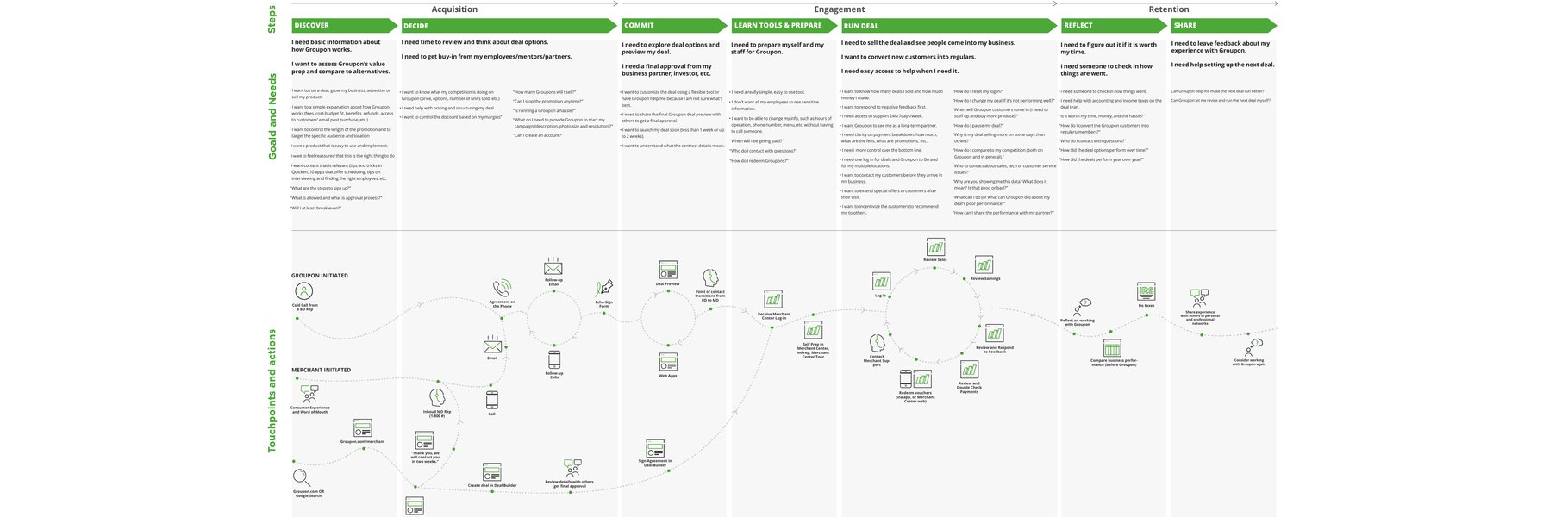
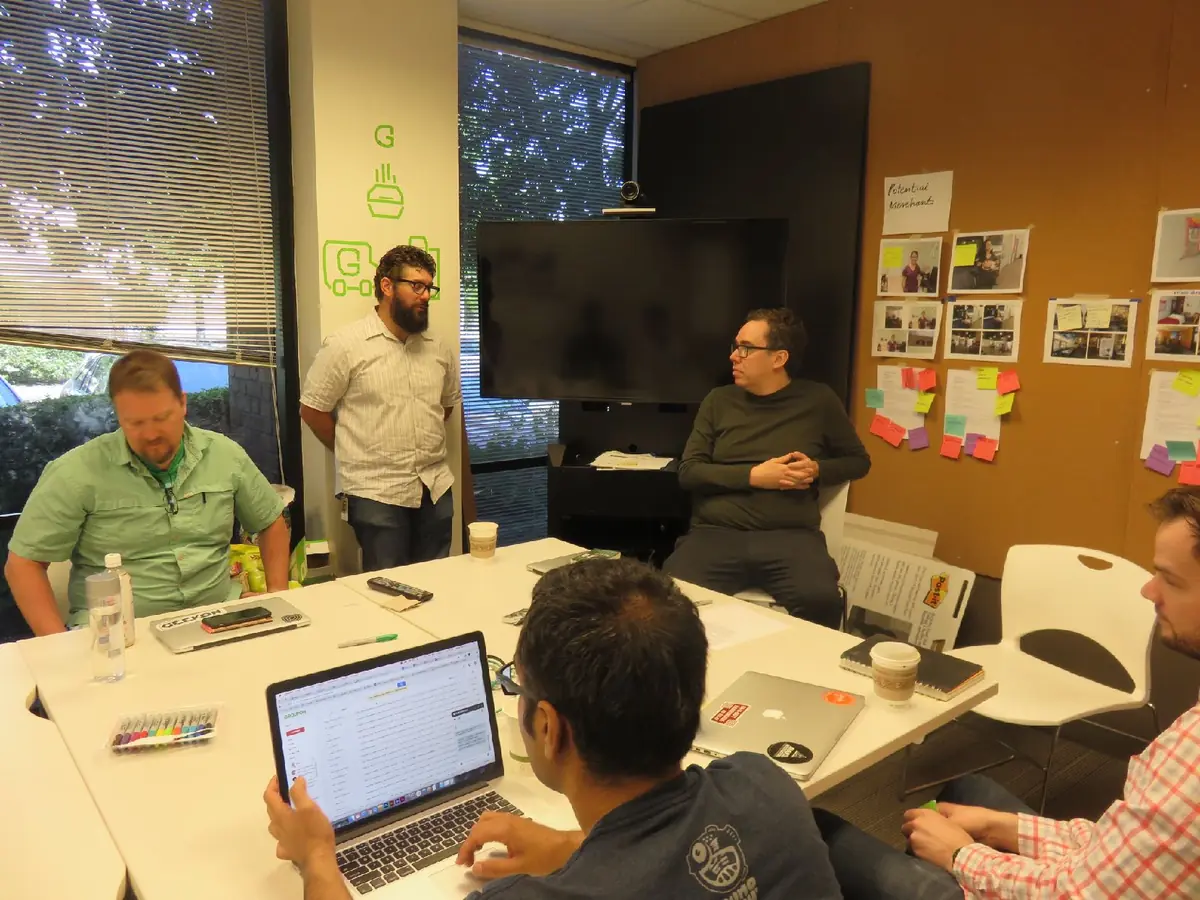
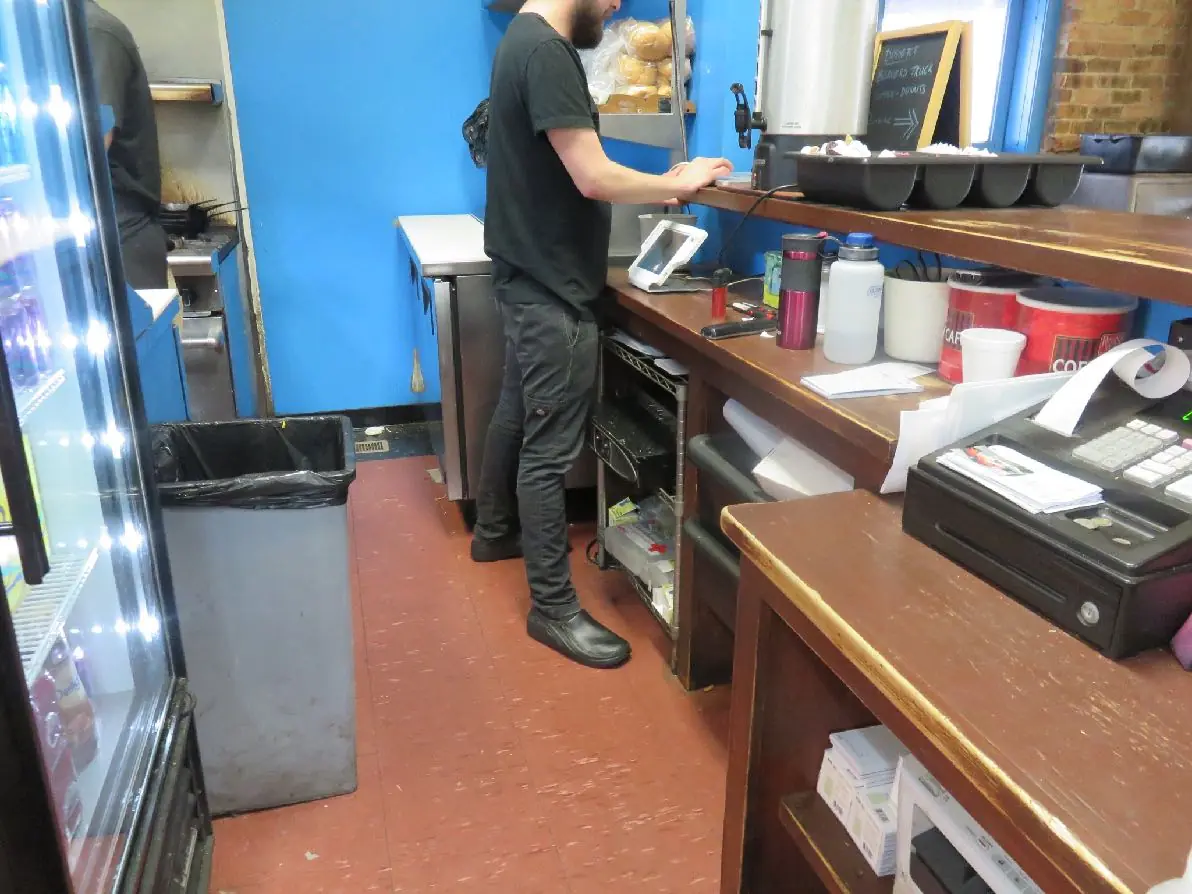
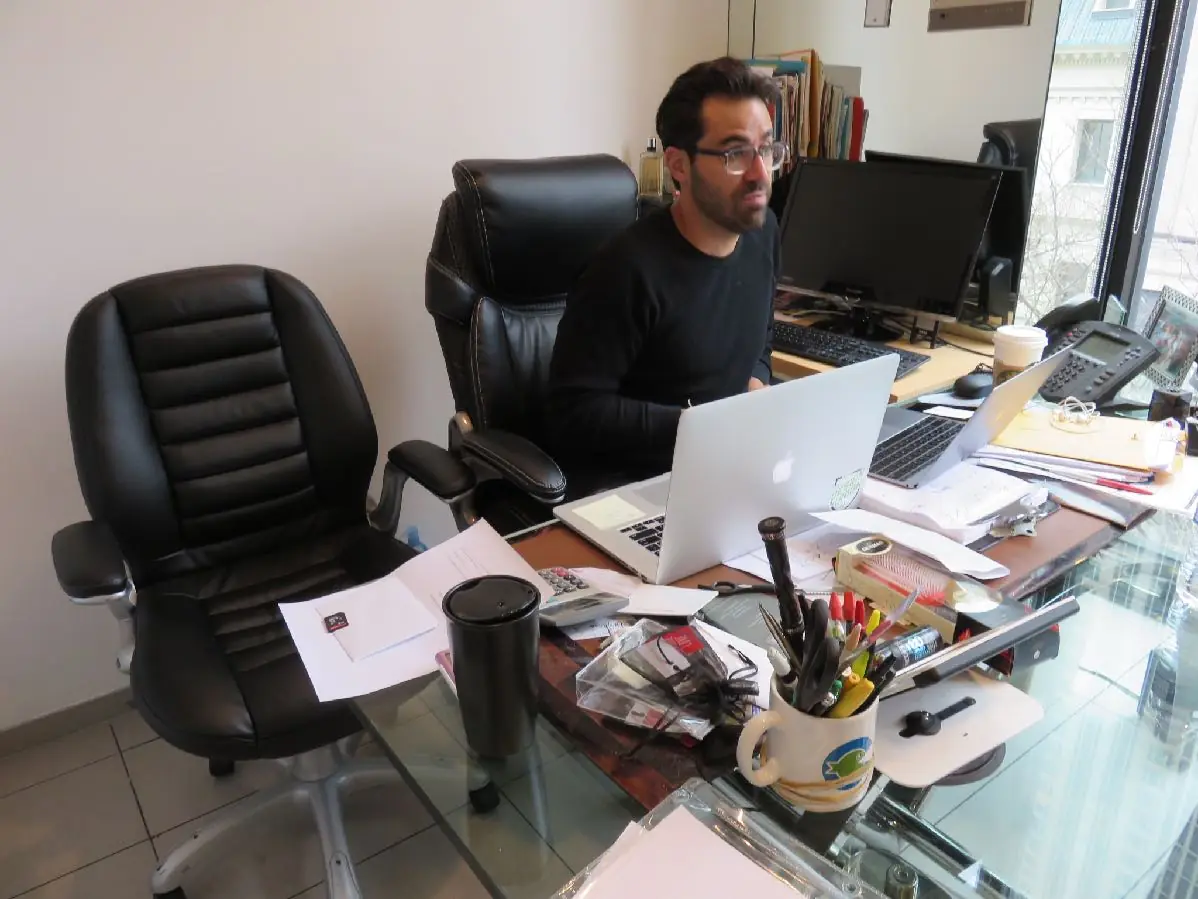
With my principal designer and our user researcher, we visited merchants in their places of business and combined field research with behavioral and funnel data.
I used the journey map to make the case to our VP of Product and CPO: a deal could be the start of a merchant’s relationship with its customers, extended through loyalty programs and eventually lightweight CRM. They approved rebuilding Merchant Center as the first step. The harder sell was the PM who owned the backlog, whose roadmap was incremental and whose team would need a new design approach on a new tech stack. The merchant satisfaction trend, alongside a speculative prototype from my team, changed that conversation.
The visits also showed how Groupon won merchants. In 16 interviews, split evenly between low or no intent and high intent, interest rose when someone a merchant knew had used Groupon. A sales pitch carried less weight.
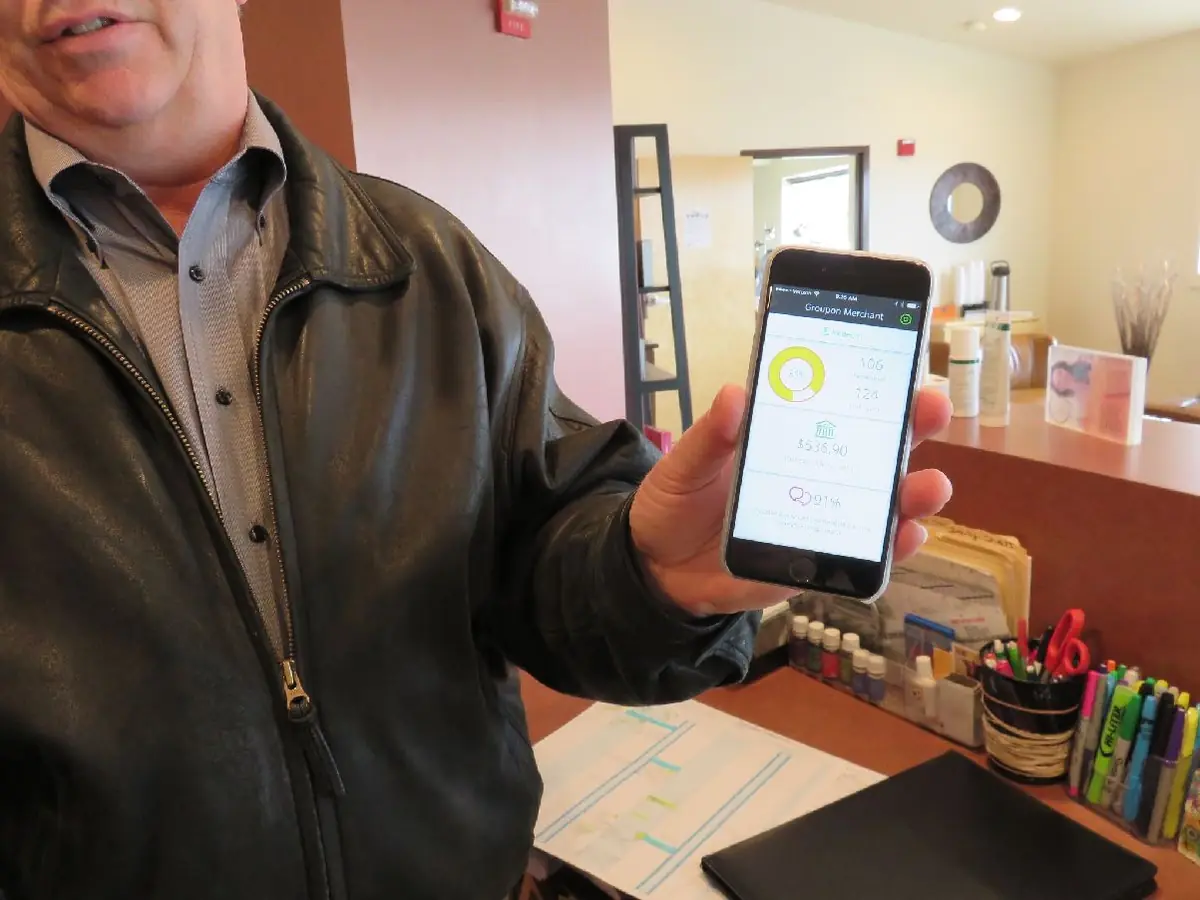
“One of the hair stylists at Sola Salon uses it and she recommended it.”
Business manager, day spa (high intent)
“If we ever decided to run a Groupon, I would talk to managers at other venues, because they have first-hand experience.”
Manager, entertainment venue (medium intent)
“I am not a discounter. My circle of friends and business owners would be upset if I ran a Groupon.”
Owner, massage studio (no intent)
The rebuild gave merchants a completed mobile experience, easier redemption, and stronger deal-health analytics, on a new stack. Two PMs and twelve engineers in Berlin built it, and the journey map aligned teams in Berlin, the US, and the UK on priorities.
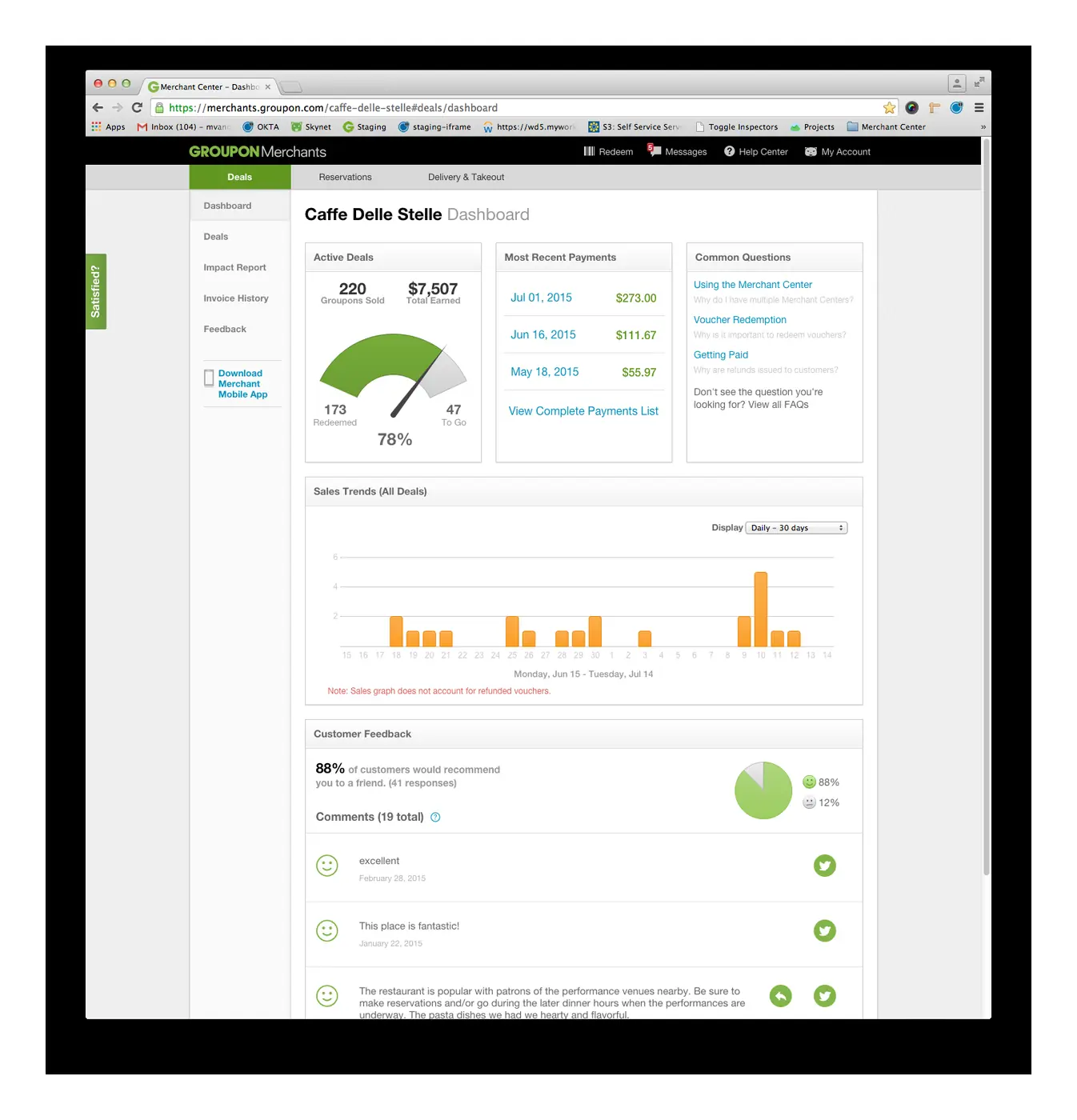
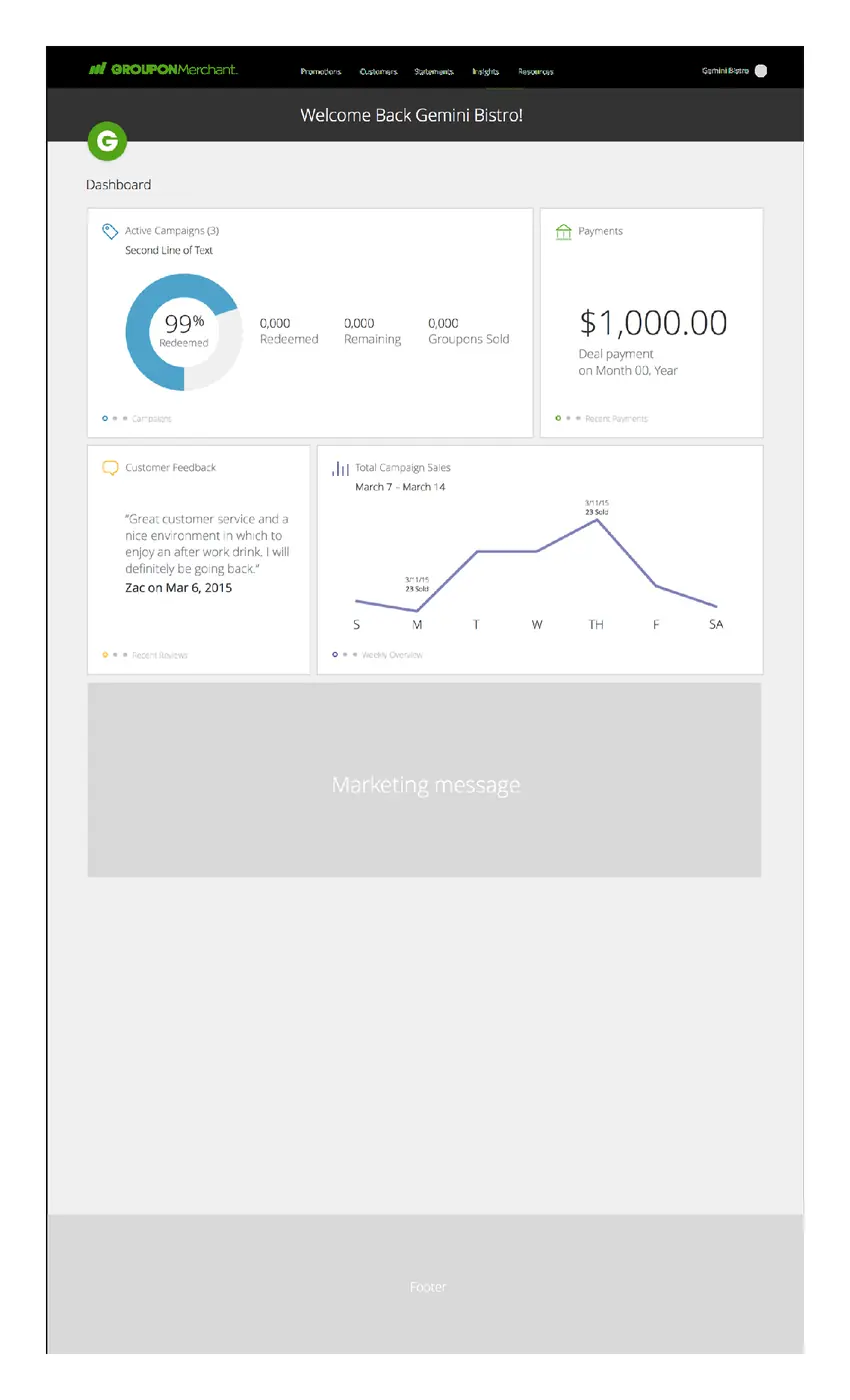
A completed mobile experience, easier redemption, and stronger deal-health analytics. Project team: 4 designers, 2 PMs, 12 engineers, 10 time zones. First milestone: feature parity.
Frequent-buyer and loyalty programs, and lightweight CRM for winning back lapsed customers, were concepts within the strategy. They show where the platform was meant to go after the delivered foundation.
The wider design organization: 11 people across five locations, supporting 8 PMs and 10 engineering squads in 28 countries.
The rise followed the redesign; it was not isolated in a controlled test. The four products, including Groupon Beauty and restaurant delivery, were built on the rebuilt platform.
The designers behind the Merchant platform, Redemption, and Analytics, working across California, Washington, Utah, Illinois, and Berlin with 8 PMs and 10 engineering squads.
 Liz
Liz Ken
Ken Janet
Janet Jackie
 Emily
Emily Amethyst
 Joanna
 Joy
Joy Vadym
Vadym Igor
Igor Raza
Raza Mat
Mat Michael