Discovery
Helping buyers find the next relevant item
Recommendations shaped by a buyer’s activity in the marketplace.
I lead product and design organizations. My work is to set direction, develop leaders, and help teams connect what customers need with what the business needs to achieve.
Over more than 20 years, I’ve led teams across customer support, healthcare, marketplaces, and commerce. Most recently, I spent seven years leading product for Adobe Help. Before that, I led design and research at Grand Rounds, Groupon, and Eventbrite.
My background in both product and design shapes how I lead. Understanding the customer helps us decide which problems deserve investment. Clear priorities give teams room to do good work. Developing people makes that work sustainable.
“How we do work is as important as what we do.”
From the Grand Rounds design leadership guide
That belief connects the products I build with the organizations I lead. I want teams to understand the direction, challenge the thinking, and take responsibility for the outcome.
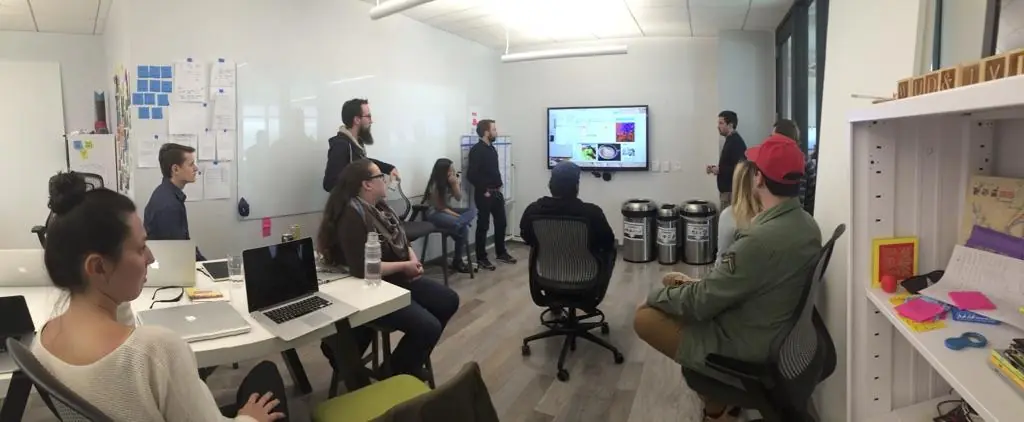
Product, design, and engineering in one working session.
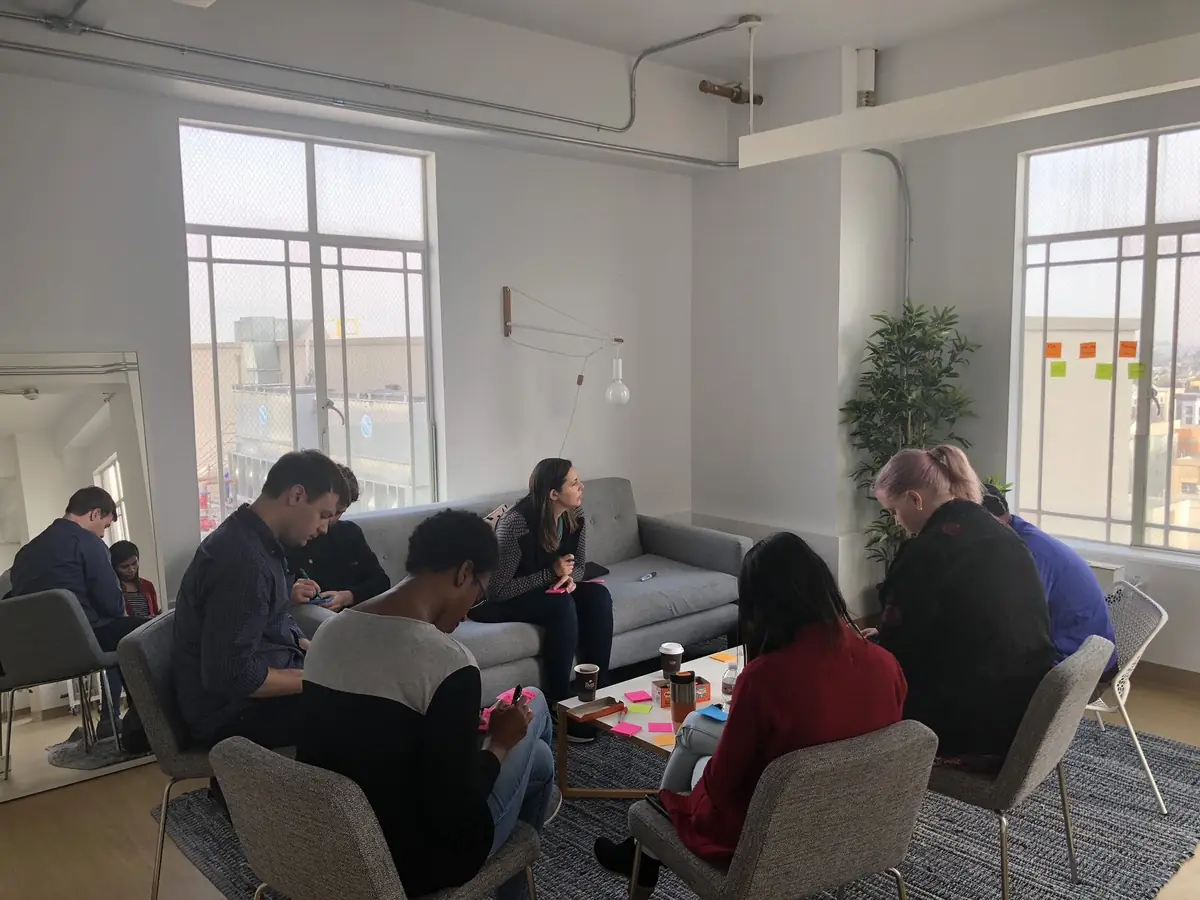
A team working session at an offsite.
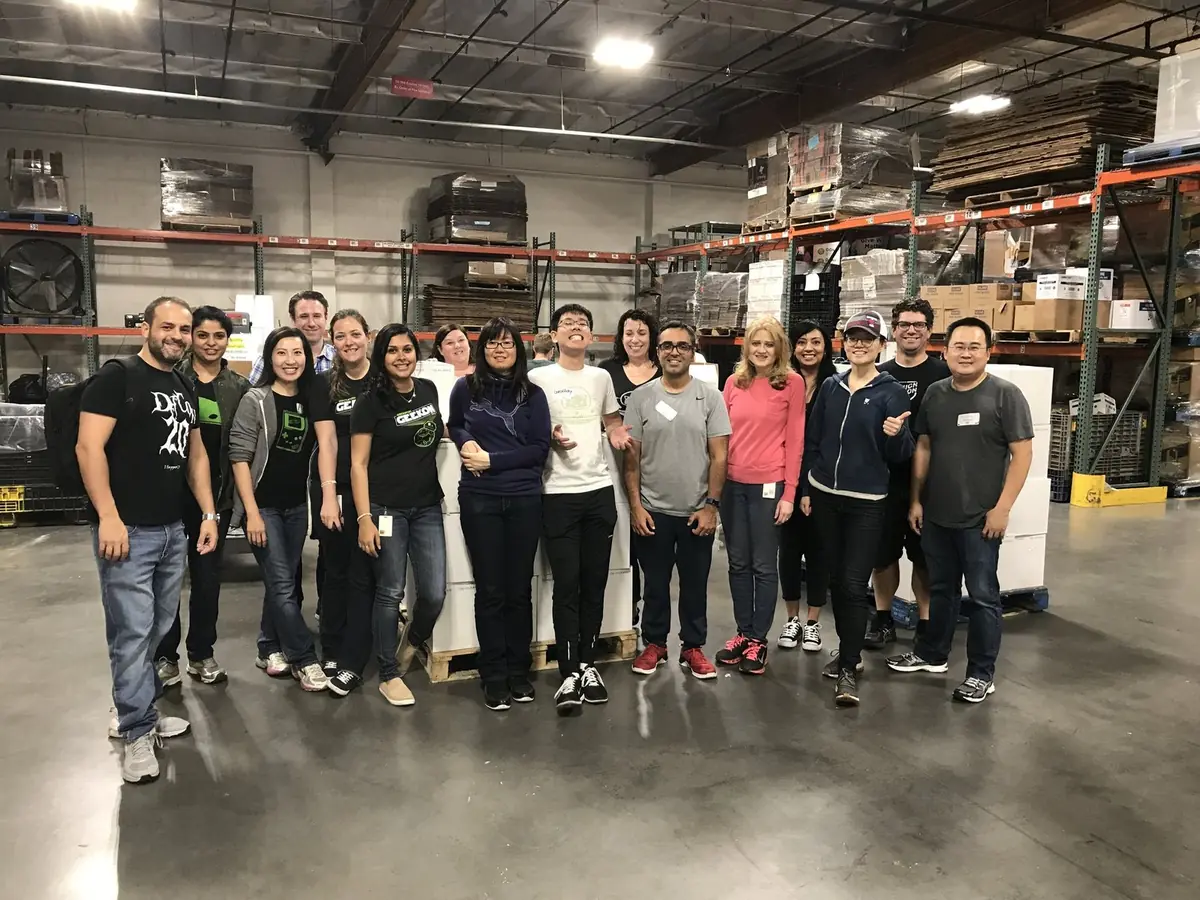
The Groupon merchant design team, volunteering together in 2017.
A vision becomes useful when it helps people make choices.
I work with teams to define the customer problem, the outcome we want, and the constraints we need to respect. That gives us a basis for deciding what matters most, what can wait, and what we need to learn before committing further.
Alignment also requires making disagreements explicit. Product, design, and engineering bring different perspectives. My role is to help those perspectives inform a decision, establish who owns it, and keep the work moving.
At Adobe, I shifted our definition of success from deflecting support contacts to helping customers resolve their problems. That shift guided decisions about the structure, functionality, and roadmap of the entire Help experience. It also laid the groundwork for AI-powered help agents.
As an organization grows, more decisions need to happen close to the work. I focus on giving people the context, expectations, and feedback to make those decisions well.
At Adobe, my organization reached 27 people. Five of my seven direct reports were people managers. That scope made developing leaders central to my job.
I want managers to develop their own judgment. That means discussing the reasoning behind a decision, being clear about what they own, and agreeing on when to bring others in. My responsibility is to provide context and candid feedback, then give them room to lead.
People need to be able to surface problems, challenge assumptions, and acknowledge when something isn’t working. They also need clear standards and candid feedback.
Psychological safety and accountability reinforce each other when people understand what is expected and can speak honestly about what it takes to get there.
Quality depends on how well the whole experience helps someone accomplish what they came to do.
At Grand Rounds, we defined quality around three member needs: find the right care, understand cost and benefits, and get help navigating care.
I want teams to be specific about quality: whose experience we are improving, what needs to work better, and how we will know.
At Grand Rounds, the design and research team doubled to 17 people in 10 months. Three shared tools kept hiring, growth, and quality consistent as it scaled, and made expectations and safe challenge part of everyday work.
We used a recruiting calibration workshop to help interviewers assess how candidates framed problems, made choices, validated their thinking, and evaluated the quality of their work.
We expected candidates to explain their decisions and connect them to meaningful business measures.
Our design level guide described individual-contributor and management paths across design, research, and service skills.
It made progression more concrete through increasing scope, independence, and contribution. It also gave managers and team members a shared reference for development conversations.
Our design rubric turned member needs into review criteria across interaction design, visual design, content, and service delivery, and we benchmarked designs against it.
Principles became questions people could use while making the work: Can a member find the care team? Is the language understandable? Does the experience communicate that their information is private?
Adapted from Grand Rounds’ recruiting calibration workshop, design level guide, and design principles rubric, 2018–2019.
I begin by building a picture of the customer, the business, and the organization.
From the outside, I map the customer journey and note where the experience raises questions. Those observations become hypotheses to explore with the team.
Inside the organization, I want to understand:
What are we trying to achieve, and why does it matter now?
What do customer behavior, research, and business results tell us?
Where are priorities clear, and where are teams working through competing expectations?
What can the organization do well today, and where does it need support?
I look for where those perspectives meet: a consequential customer problem, a clear reason to address it, and a team that can make progress.
From there, I work with the team to establish priorities, ownership, and how we will evaluate the results.
I write and speak about customer help, product and design leadership, and developing people, including Up the ladder, a 15-part series on customer help and AI agents.
I’m a named co-inventor on 15 issued U.S. patents from work with colleagues at eBay. They cover recommendations, buyer questions, pricing, and invoicing.
The work dates to the early 2000s, with grants issued between 2009 and 2022. Several are related follow-on patents.
Recommendations shaped by a buyer’s activity in the marketplace.
Letting sellers publish buyer questions and responses where other buyers can use them.
Connecting auctions, fixed-price offers, reserve prices, and buyer–seller negotiation.
Combining eligible purchases into invoices and managing the charges associated with them.
I also serve on nonprofit boards in San José.
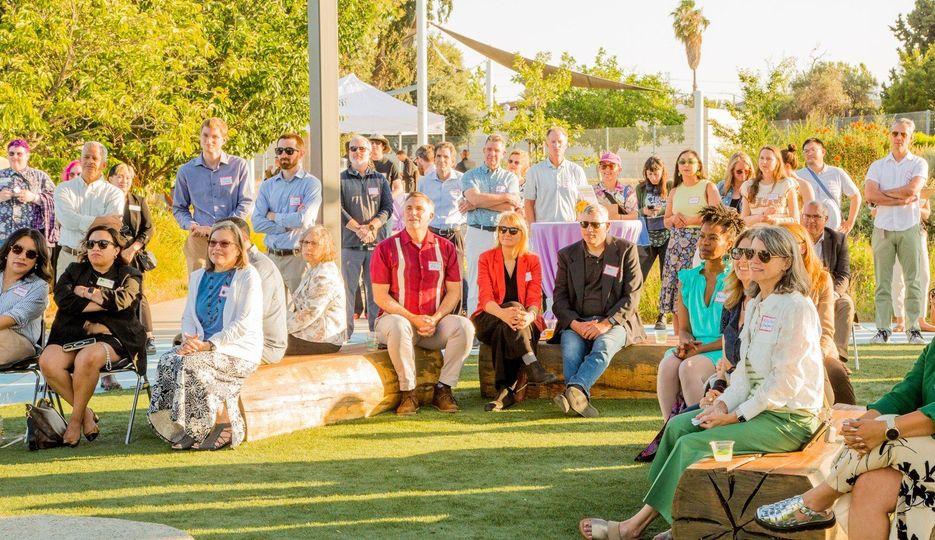
Board member and past president. As president, I worked on governance and growth, helping seat our largest and most diverse board class in years and build a wider coalition of partners.
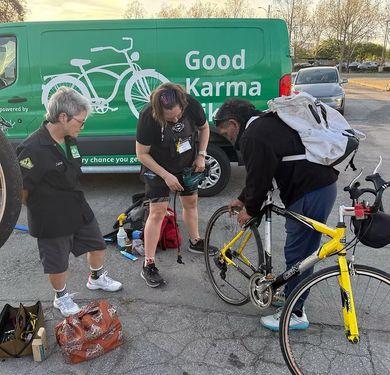
Board chair. Good Karma Bikes refurbishes donated bicycles and provides job training and free bikes to people in need.
I’m interested in product and design leadership roles where I can help set direction, develop leaders, and improve experiences that matter to customers.